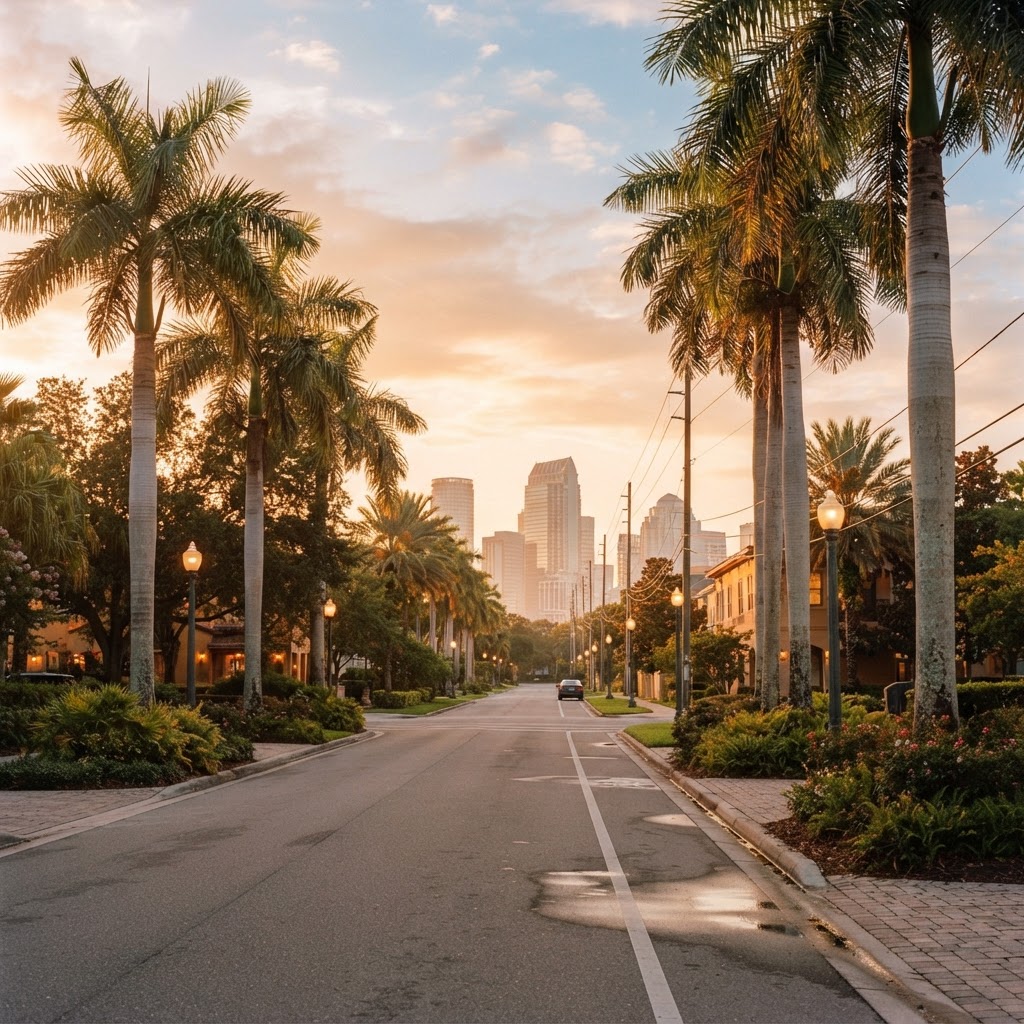
Relocating to Orlando: A Complete Guide for Out-of-State Home Buyers
Orlando is one of the most popular relocation destinations in the country, and for good reason: no state income tax, a strong and diversifying job market, year-round outdoor living, and a cost of living still well below South Florida. If you are planning a move to Central Florida, this guide walks through where to live, what it costs, and the Florida-specific details that catch out-of-state buyers off guard.
Why people are moving to Central Florida
- No state income tax. Florida does not tax personal income, which is a meaningful difference for retirees, remote workers, and dual-income households.
- Jobs. Lake Nona's Medical City, the Lake Mary and Maitland tech corridor, and the region's tourism and logistics base have broadened the economy far beyond hospitality.
- Lifestyle. You can boat on a chain of lakes, kayak the Wekiva, and be at a theme park or the beach within an hour.
- Value. Compared with Miami, Boston, or New York, you get considerably more square footage for the same money.
Where to live: the main areas, explained
Winter Park is historic, walkable, and anchored by Park Avenue's shops and the scenic boat tour. It suits buyers who want character and top schools more than square footage per dollar.
Windermere and Horizon West offer newer construction, larger lots, and highly rated schools. Horizon West in particular is where many families land because it combines new inventory with quick access to the attractions corridor.
College Park sits just north of downtown with bungalows, tree-lined streets, and a genuinely local feel. It is popular with young professionals and small families.
Winter Garden pairs a restored downtown with the West Orange Trail and fast-growing master-planned communities.
Lake Nona is the region's innovation hub, with Medical City, a growing town center, and strong school ratings.
Lake Mary appeals to commuters who want excellent schools and a quieter pace with easy access to I-4 and the 417.
Dr. Phillips, Baldwin Park, and Mills 50 round out the list for buyers who want restaurants, walkability, and central convenience.
What it actually costs to buy here
Three costs matter: down payment, closing costs, and prepaid escrow items. Most buyers put down 3 to 3.5 percent with conventional or FHA financing, or nothing at all with a VA loan. Closing costs in Florida typically add 2 to 4 percent of the purchase price. Prepaids, which cover your first year of property taxes and insurance, can run another few thousand dollars.
Florida details that surprise out-of-state buyers
- Property insurance. Central Florida premiums run above the national average, and roof age matters. A wind mitigation inspection can lower your premium.
- The homestead exemption. If this becomes your primary residence, Florida's homestead exemption and Save Our Homes cap can save you real money over time. File in your first year.
- CDD fees. Many newer communities carry a Community Development District assessment on top of taxes. It is disclosed, but it is easy to miss.
- HOA rules. Florida HOAs and condo associations regulate everything from paint colors to rentals. Read the documents before you offer.
- Flood zones. Lakefront and low-lying areas may require separate flood insurance.
- Season. January through April is the busiest stretch. Summer is hot, but you will face less competition.
How to buy from out of state
The process works remotely. Get pre-approved with a lender licensed in Florida, work with a local agent who will walk properties on video, order a full inspection, and sign closing documents electronically or through a mobile notary. Most of my out-of-state clients make one house-hunting trip and close without a second one.
Common mistakes out-of-state buyers make
- Underestimating insurance and taxes when setting a budget.
- Choosing a neighborhood by commute time alone, without checking school zones.
- Skipping the inspection because the home "looks new."
- Waiting for rates to fall while prices and rents continue to climb.
Frequently asked questions
Do I need to visit before buying? No, though most buyers take one trip. I regularly do live video walkthroughs for clients out of state.
How much cash do I need? Most buyers at the median price range need roughly $15,000 to $40,000, combining down payment, closing costs, and prepaids.
Should I rent first? Renting for six months is a reasonable way to learn the area. It is also the costliest option in a market with rising rents.
Is now a good time to move? For most relocations, yes. Inventory has improved and pricing has stabilized, which gives buyers more negotiating room than they had in 2022.
If you are planning a move to Orlando or anywhere in Central Florida, I am happy to talk through which areas fit your budget, commute, and lifestyle before you start looking.

Born and raised in Orlando, Jorge has spent 12+ years helping families buy and sell homes across Central Florida. Florida Realtors State Director. NAHREP North Orlando Chapter President 2025. Bilingual (English/Spanish).
Let's talk about your situation
Whether you're buying, selling, or just curious about the Central Florida market — I'm happy to chat.